About
predicting mood state transitions using bifurcation theory
The core question: Can we model the dynamics of bipolar disorder — specifically the disruption of sleep and circadian rhythms — using computational tools rooted in dynamical systems theory, with the long-term goal of providing people with early warning signals inside their own experience?
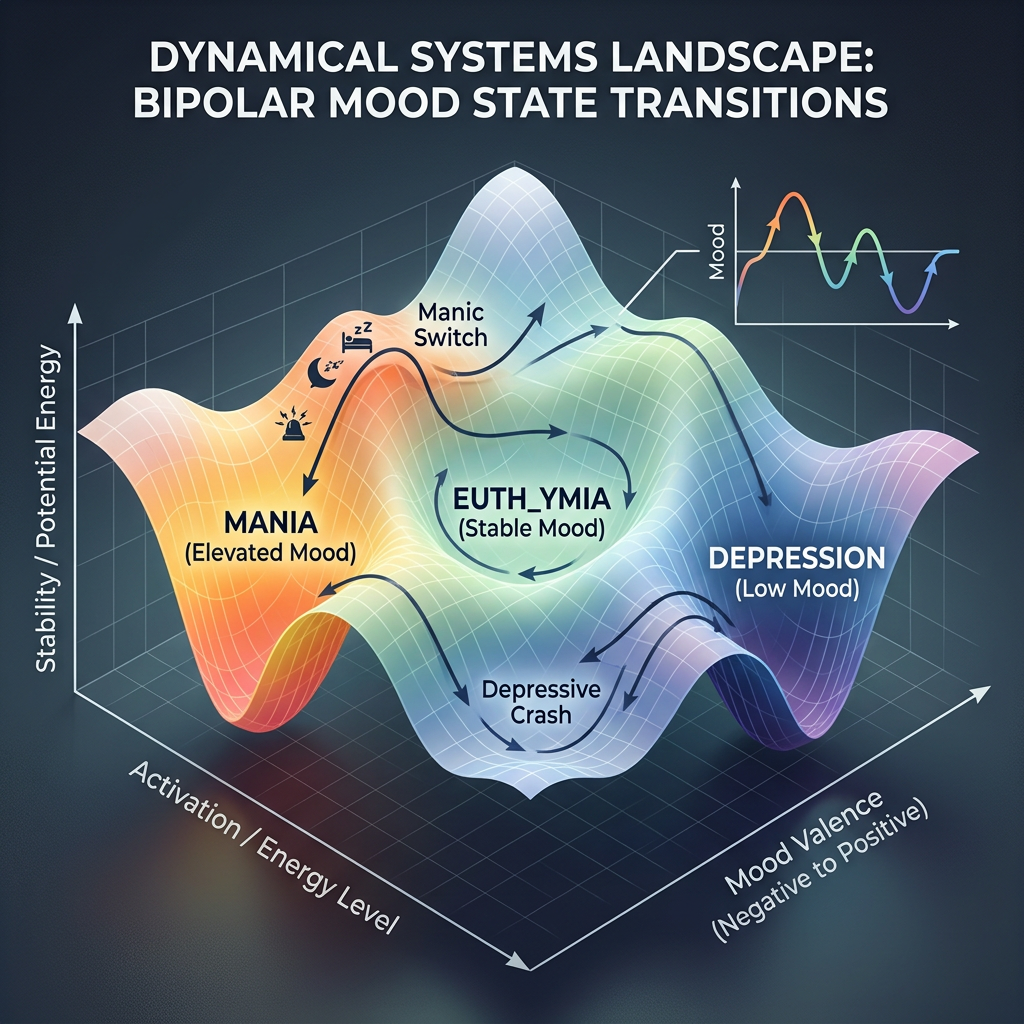
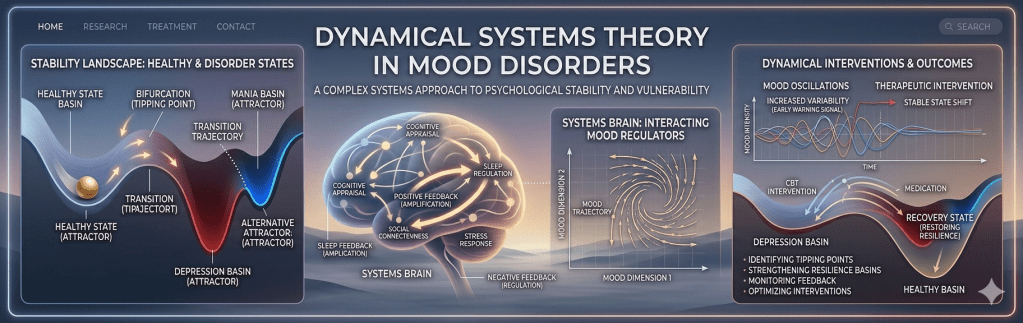
Dynamical systems theory
The phase space is constructed by mood and sleep states constraining each other and evolving together. The vector field describes the rules of this evolution as defined by neurobiological equations pairing adenosine accumulation (process S, sleep pressure) to circadian markers like melatonin (process C, sleep cycle). Mood disorders are intimately tied to sleep and circadian rhythms.
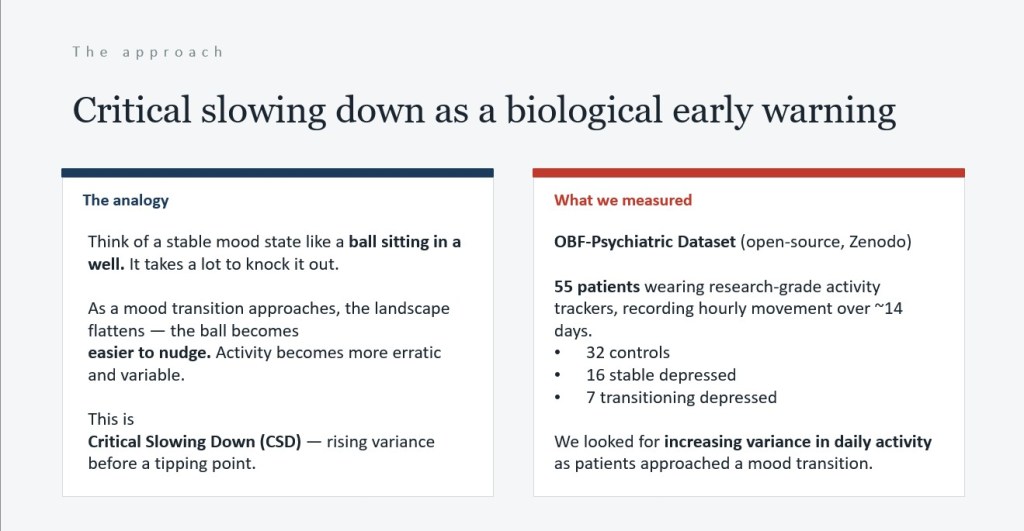
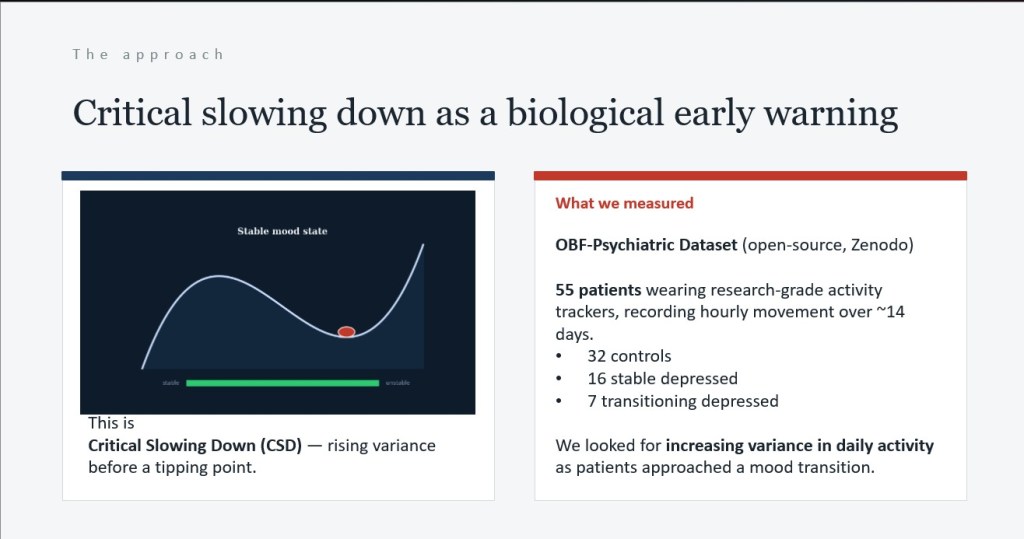
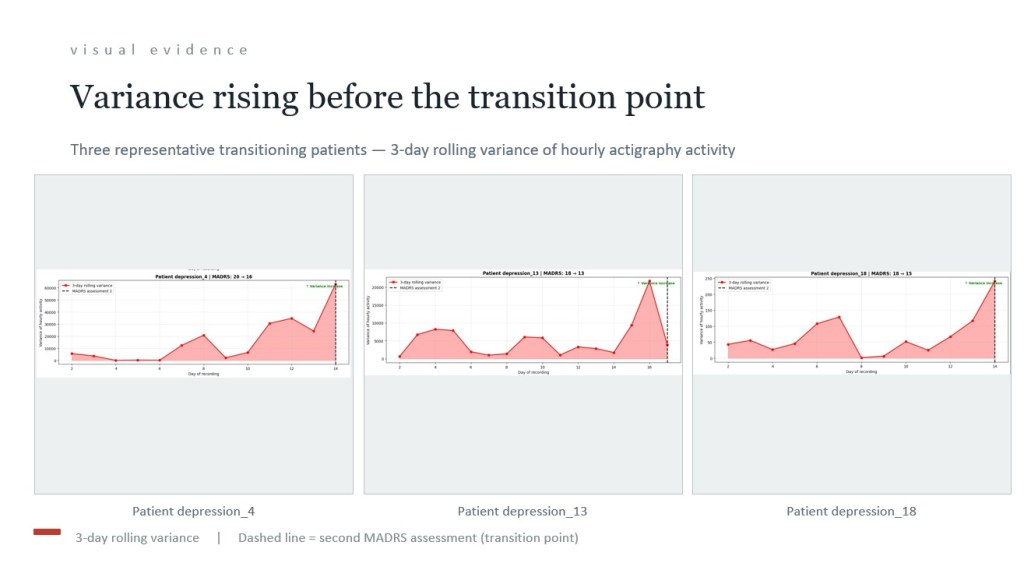
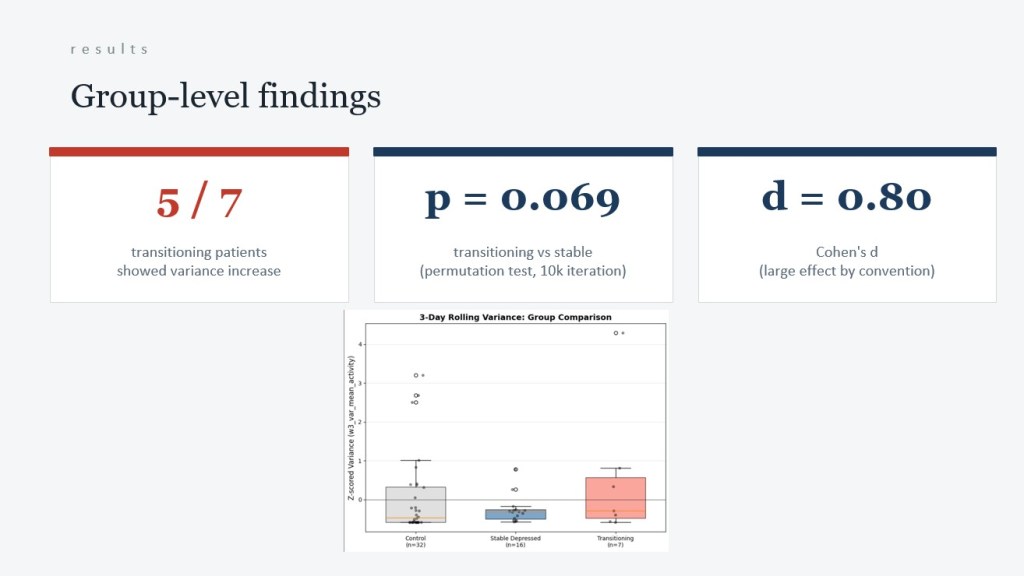
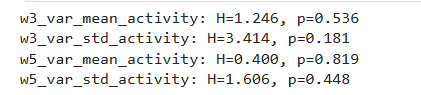
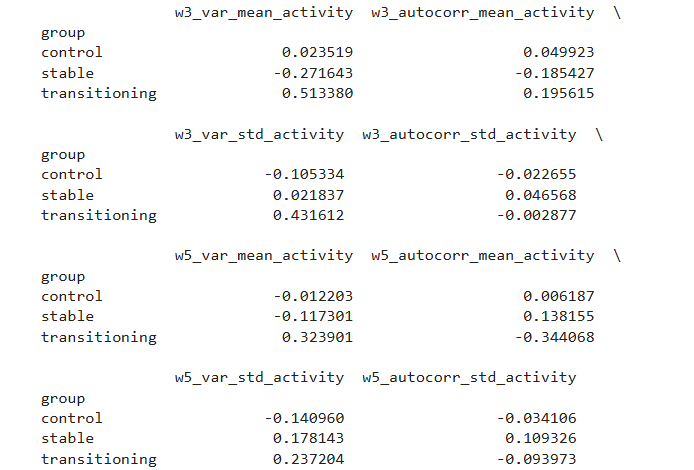
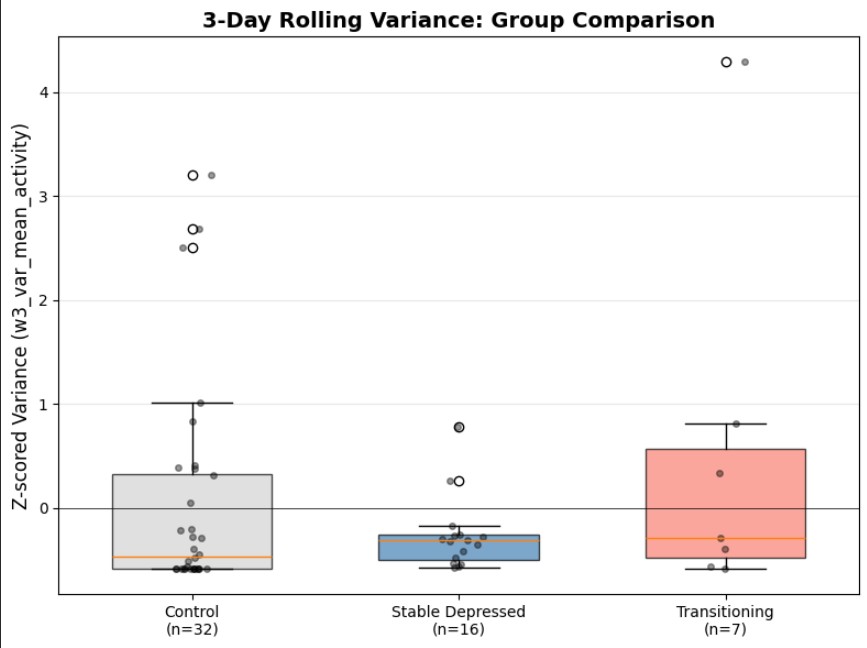
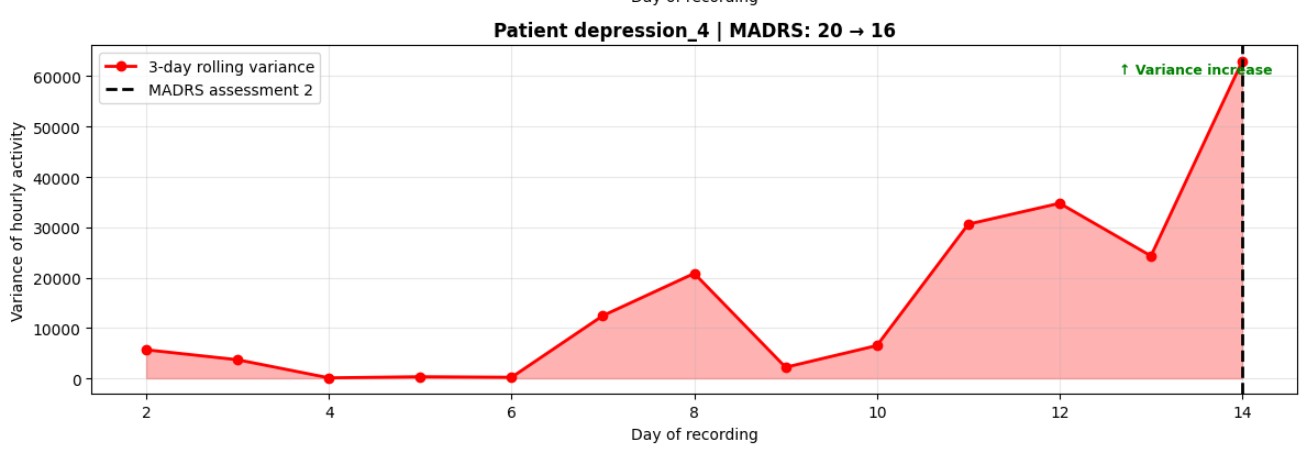
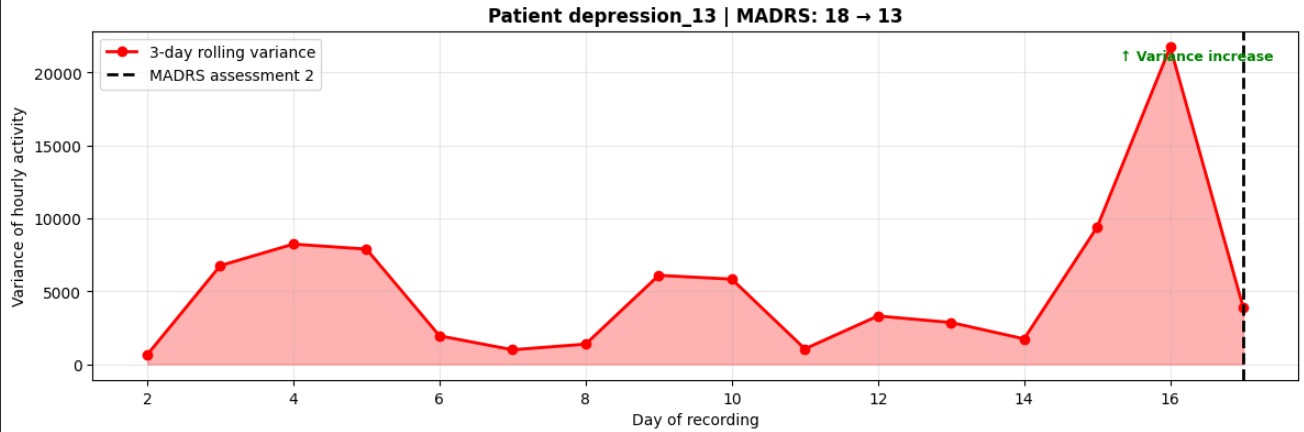
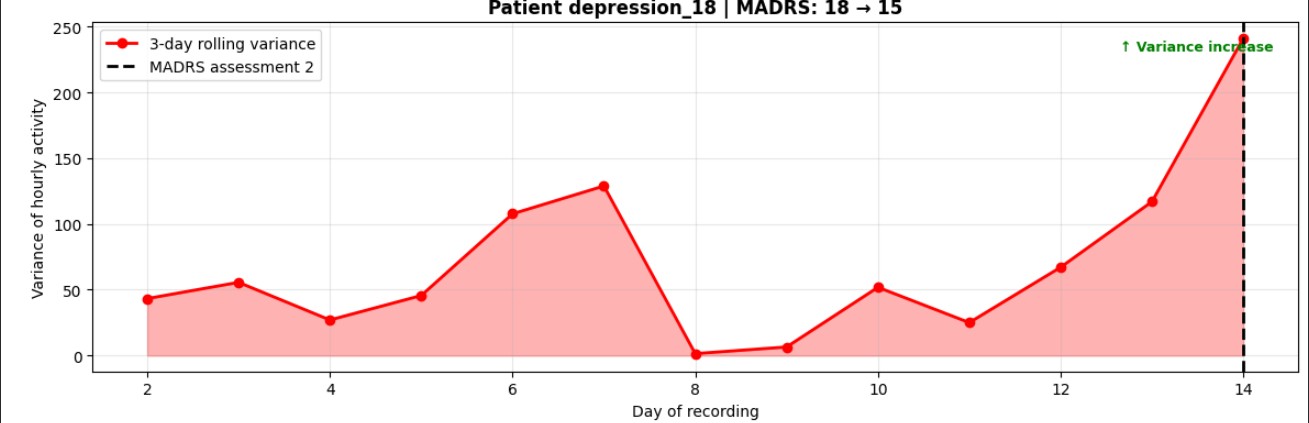
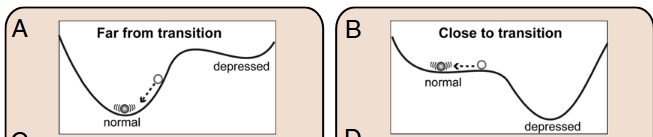
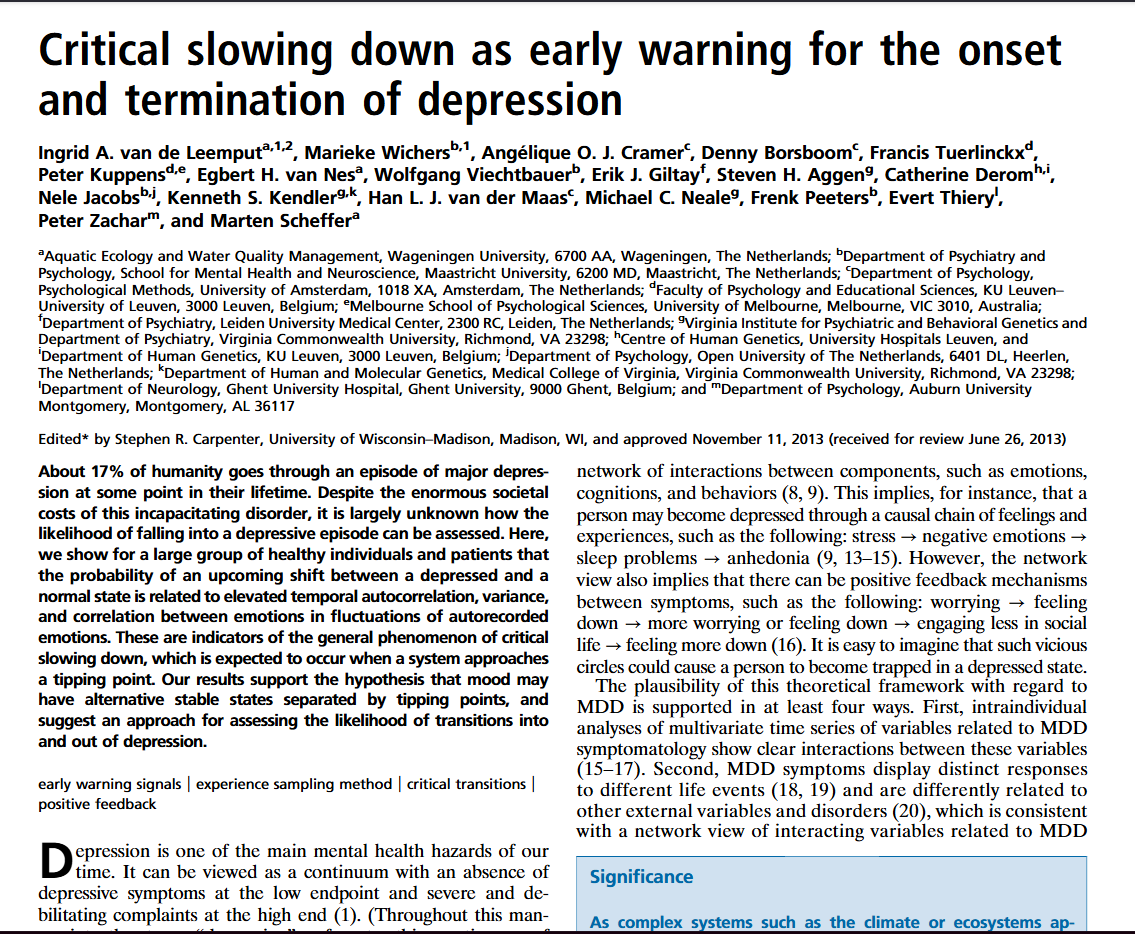
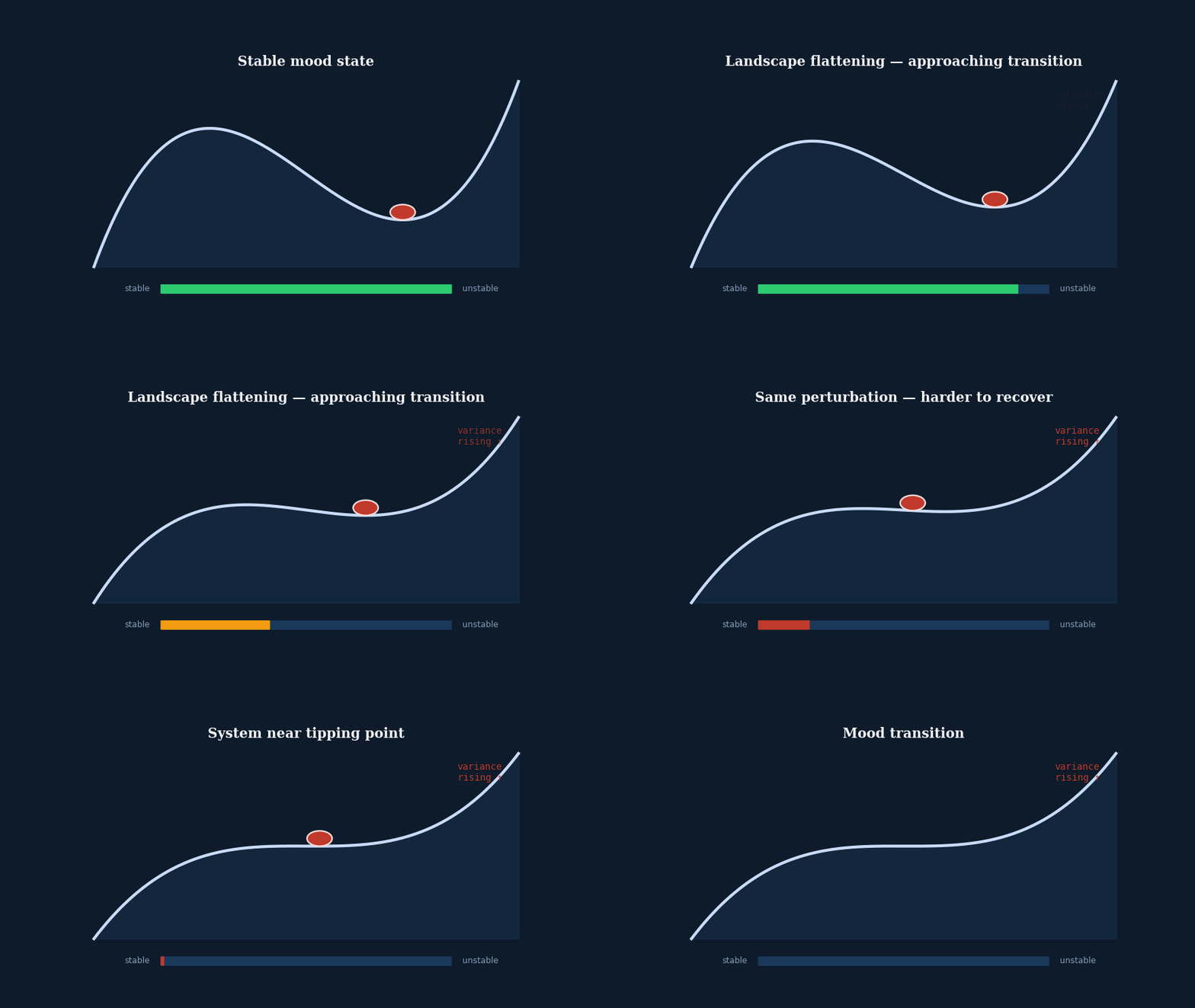
Within said vector field, I posit that there are two equilibria, as defined by bifurcation theory, one stable (node) and one unstable (saddle). when these two equilibria get close enough together that they disappear, this represents a large transition in state, called a fold bifurcation or saddle/node bifurcation. Before the state flips, we observe critical slowing down, represented by rising autocorrelation and variance as early warning signals. This project aimed to look for these warning signs within longitudinal actigraphy data.

This work is important because it represents a potentially novel way of diagnosing people struggling with mood disorders, catching mood transitions before they occur, allowing clinicians to administer treatment preemptively as opposed to reactively