About
DNA Fraction-ation
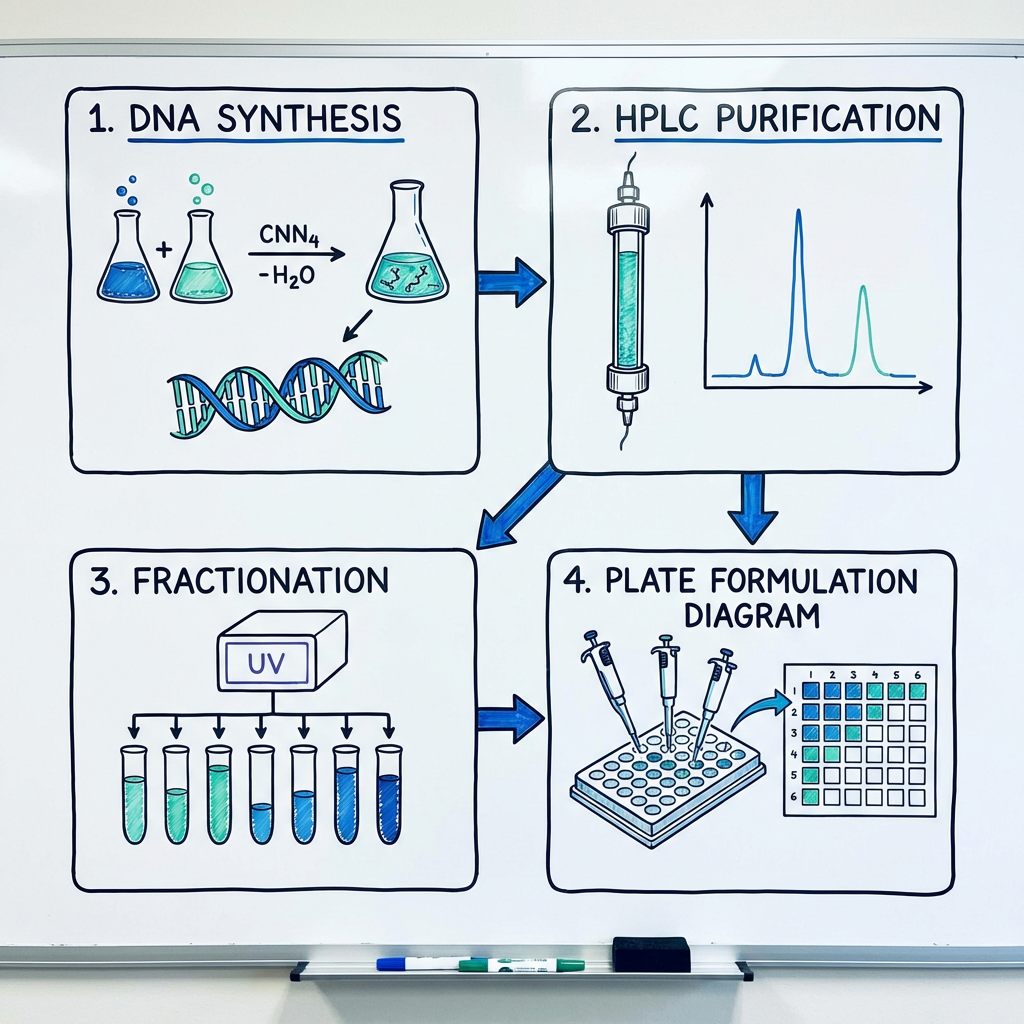
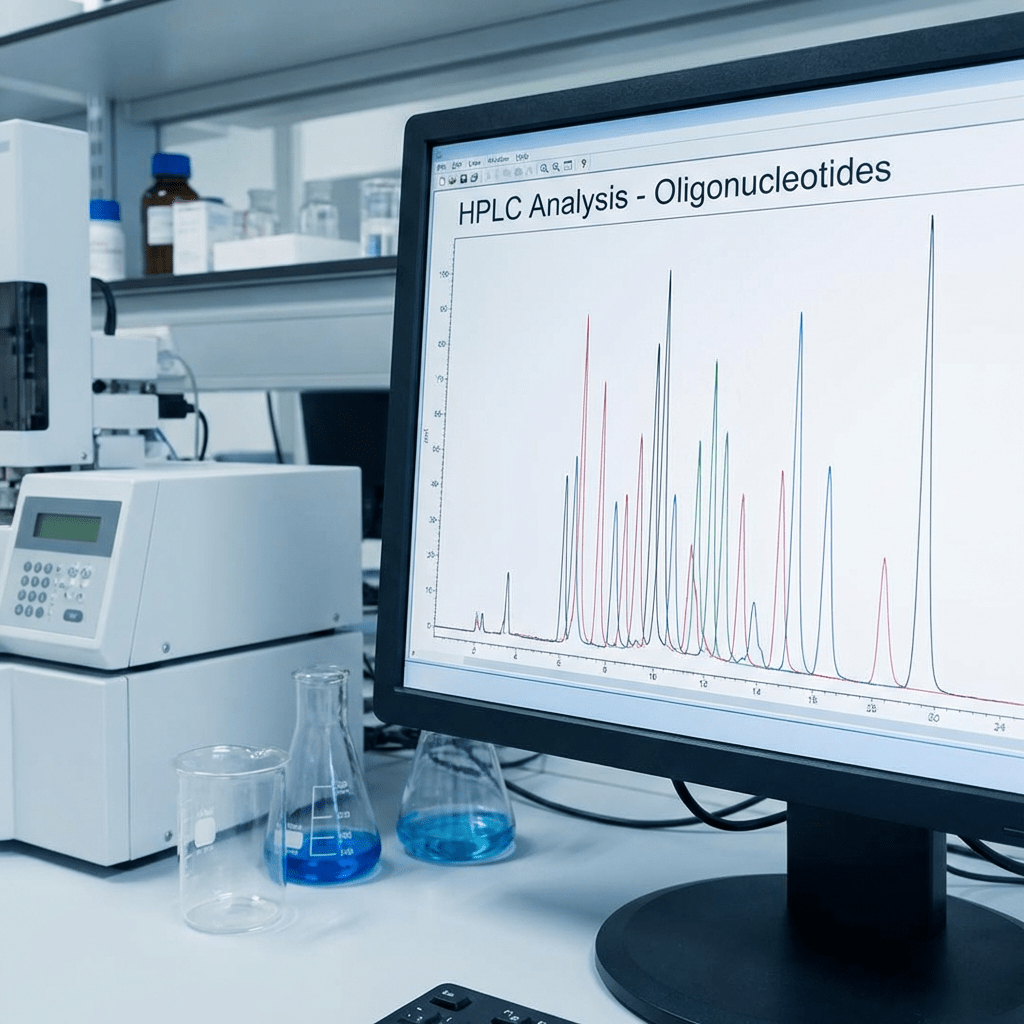
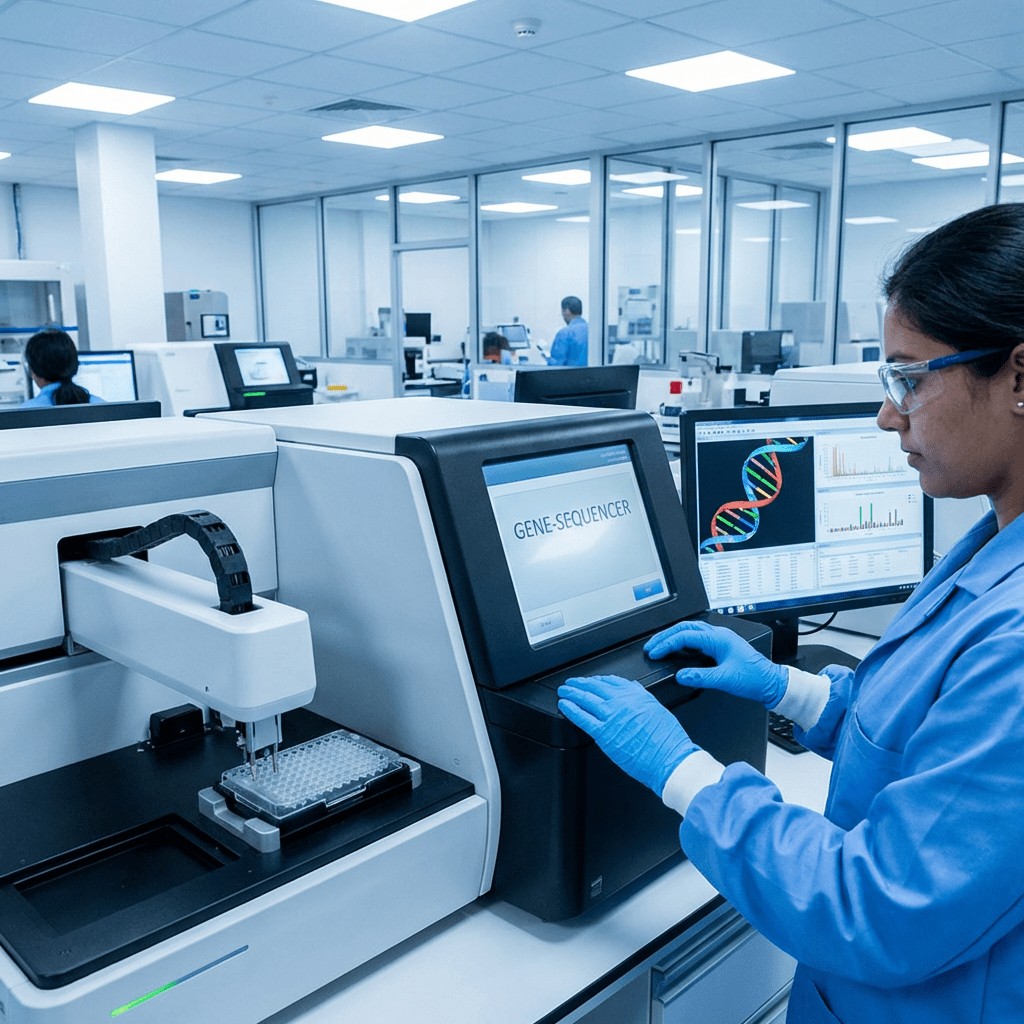
Fractionation is the process whereby DNA that is purified by HPLC or UPLC is isolated by fraction for the purest purified section of the chromatograph. Each viable fraction is isolated and collected into one vial, which is then precipitated, dried down, and sent for tagging and/or formulation.
Project details
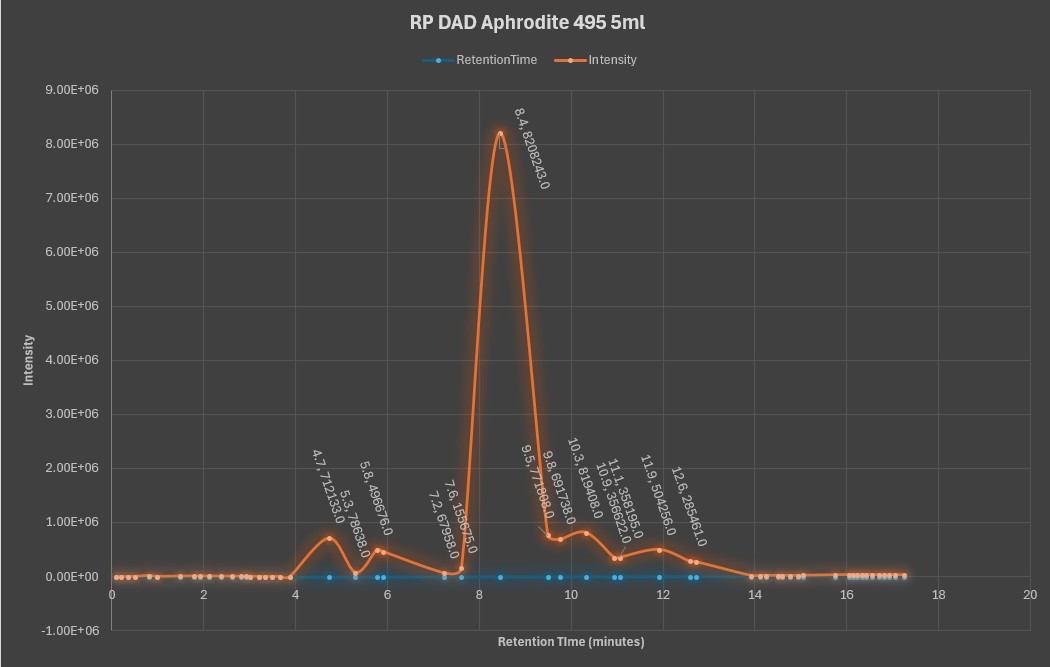
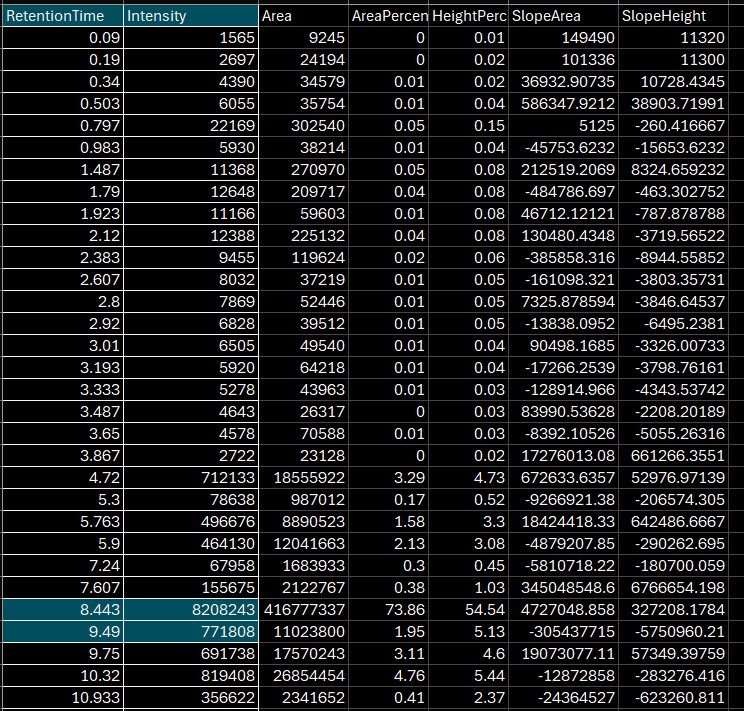
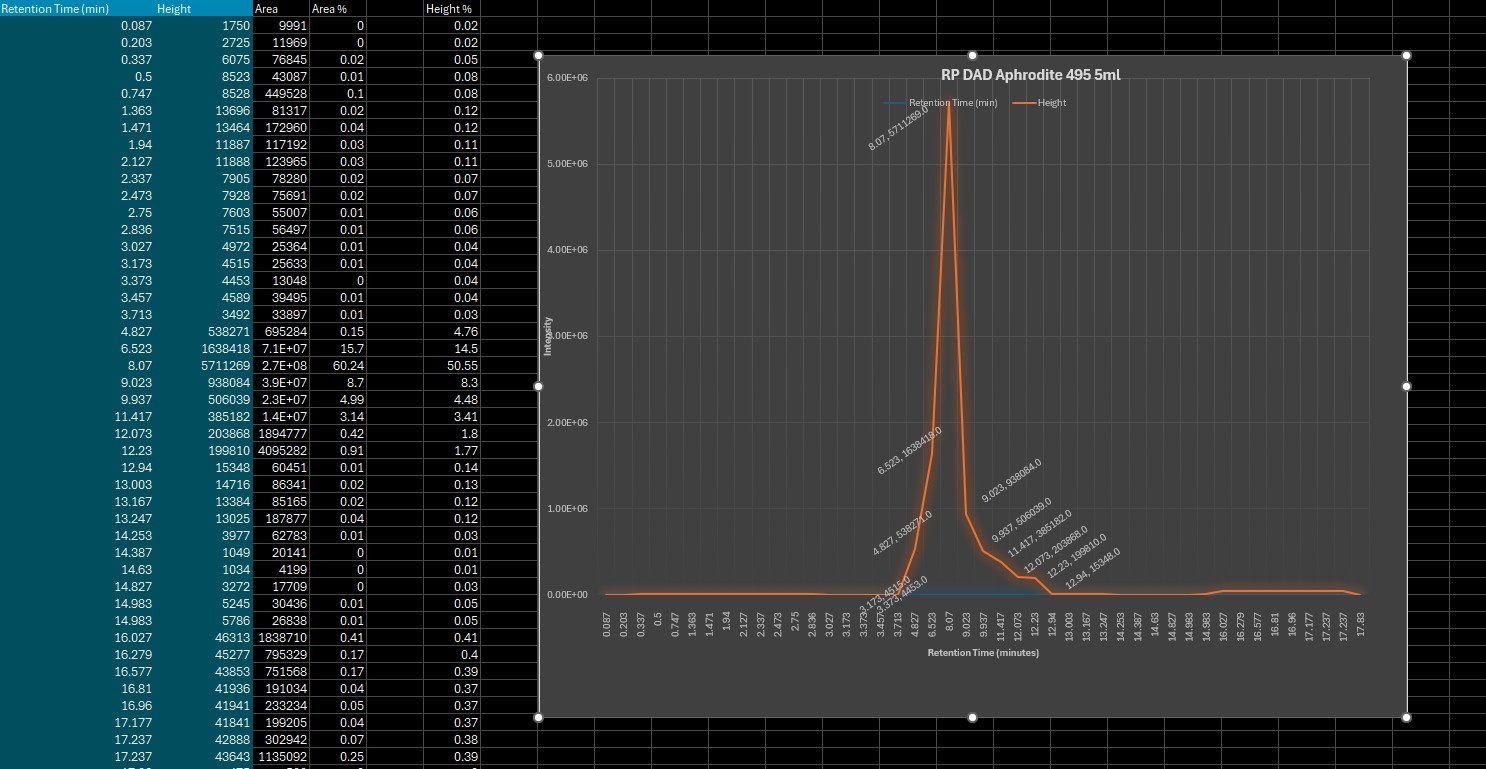
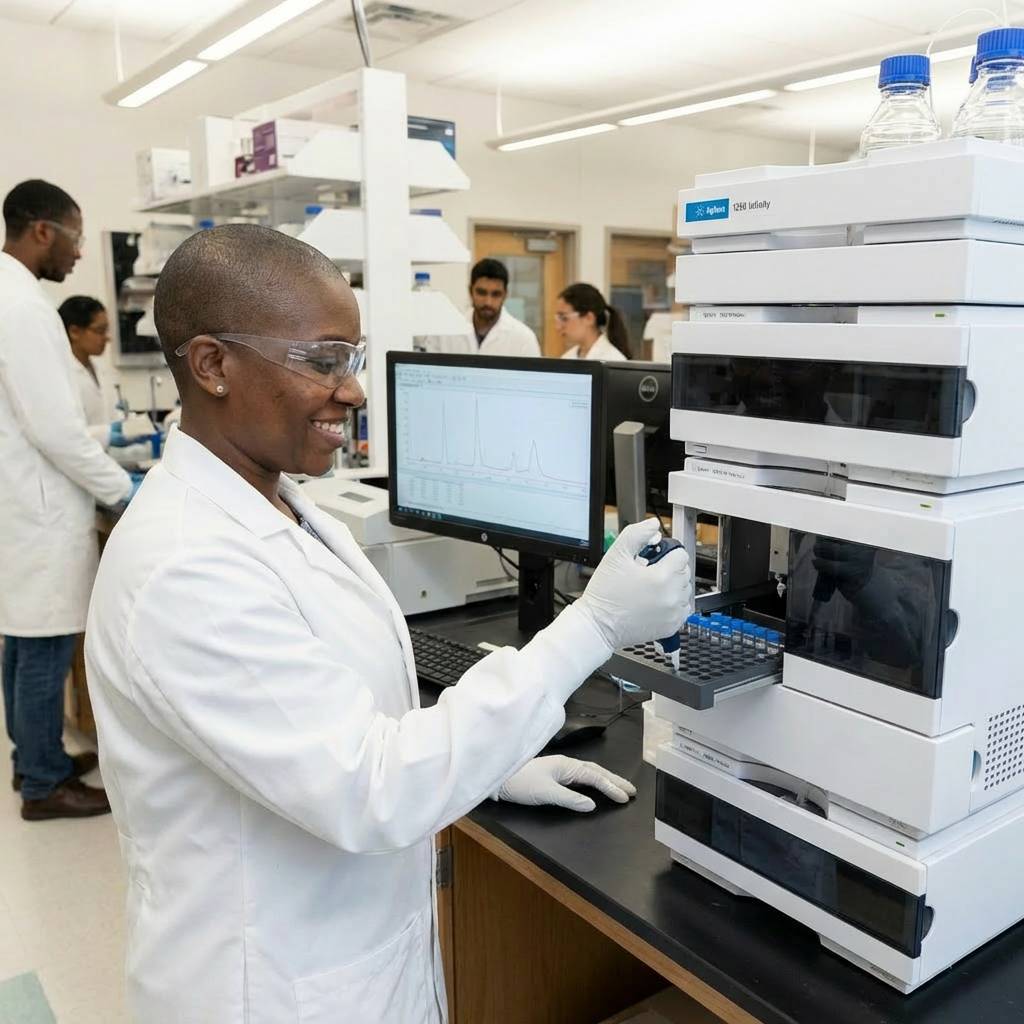
This project focused on the use of java code to create a program to automate the process of fractionation, at IDT. The program began collection at the apex of the chromatogram (derivative = 0) and continued collecting fractions until right before a shoulder or the last 2/3 of the peak, avoiding impure products.
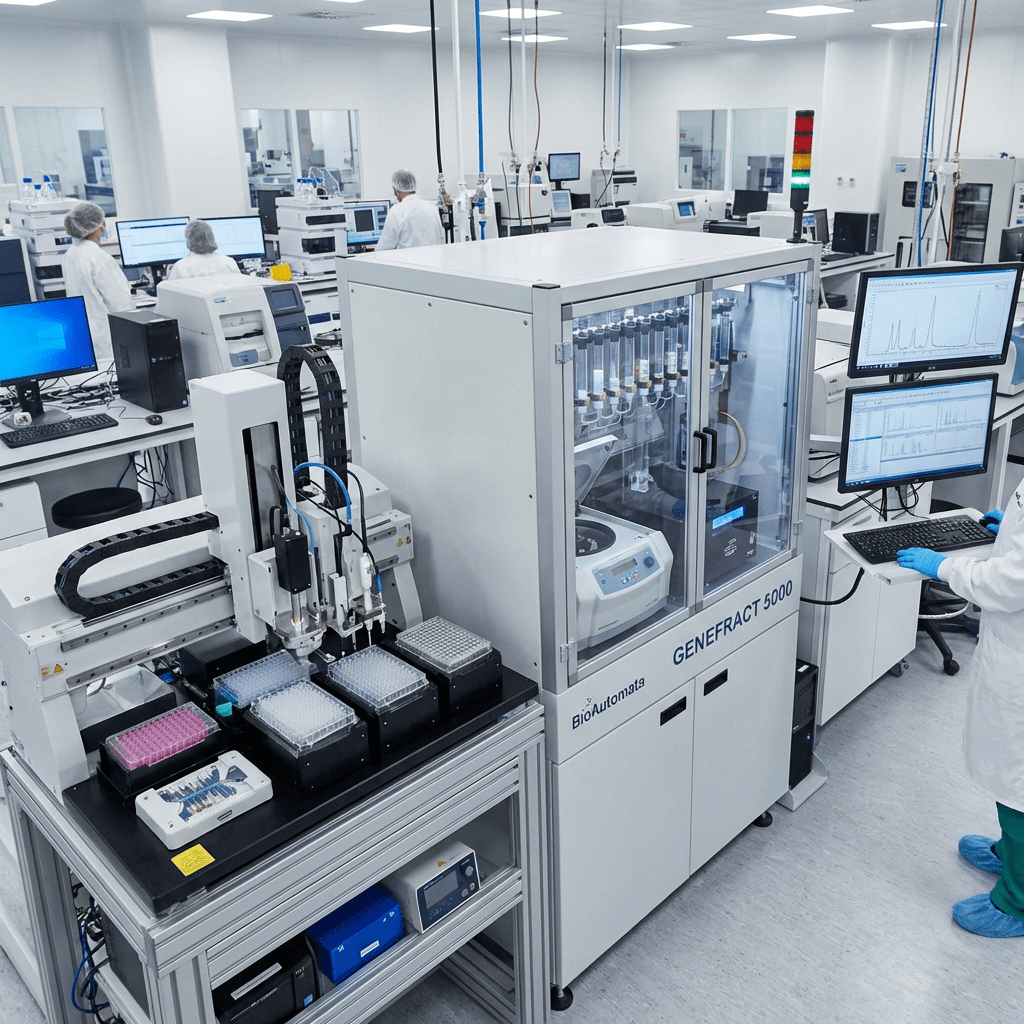
By removing the subjective collection of DNA fractions, based on rules that vary from sample type to sample type, the goal was to reduce the errors that would impact purity of the sample or how much of the sample was collected. If not enough was collected or the purity was poor, the sample had to be remade in synthesis and sent back to HPLC, which could take upwards of 2 weeks. This delayed sample shipping and affected on time delivery and past due backlog, all metrics of efficiency.
Accurate DNA purification, purity and yield is important for customers because it allows them to perform lifesaving diagnostics and research to help advance science and technology.